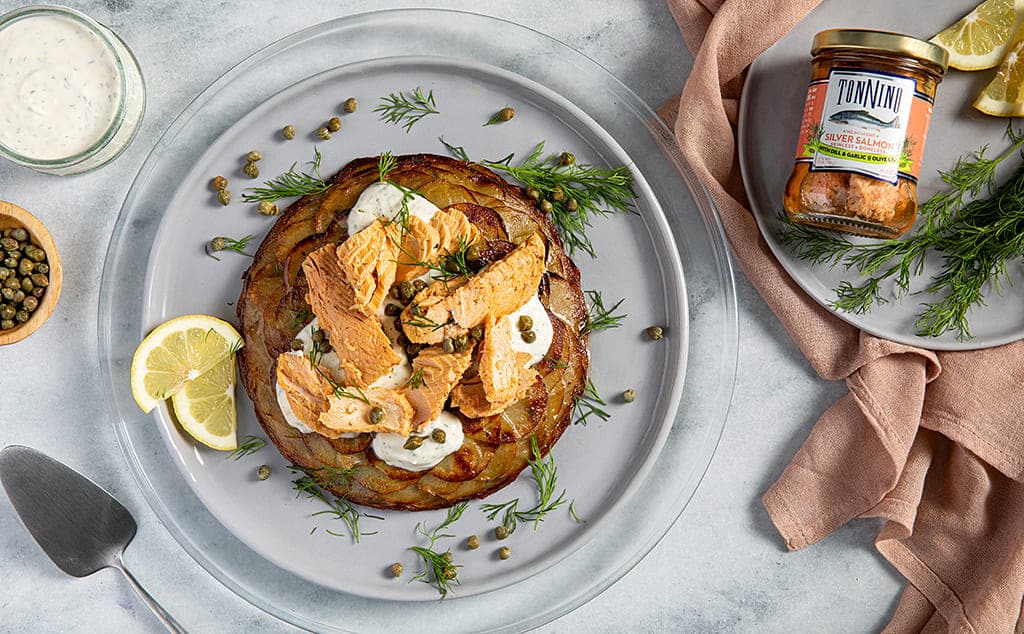
The color of salmon reflects its diet, environment, and overall quality. From pale pink to deep red, these variations are linked to what the fish consumes and how it is handled. Understanding the natural color of salmon helps you identify authenticity and make more informed choices.
The color of salmon is more than just a visual detail. It reveals a great deal about the fish’s life, from the waters it came from to the food it consumed. The hues of salmon, ranging from pale pink to deep red, are directly tied to their origin and diet. For anyone who values quality in seafood, these colors are important indicators that help guide purchasing decisions.
By understanding the different colors of salmon, you can better appreciate the link between authenticity, quality, and taste. At Tonnino, we believe that color reflects integrity. Our premium wild-caught salmon fillets retain their natural shades, preserved in oils and herbs to highlight the authentic character of the fish.
Understanding the Natural Color of Salmon
The natural color of salmon comes from compounds known as carotenoids, particularly astaxanthin. Salmon do not produce these pigments themselves. Instead, they acquire them through their diet of krill, shrimp, and other small marine organisms. As these pigments accumulate in the flesh, they create the characteristic orange, pink, or red tones that consumers recognize.
Color consistency is a mark of authenticity. While the brightness of wild salmon may soften once the fillets are cooked and preserved in oils and herbs, the tones you see are the salmon’s natural color, true to its origin. The important distinction is based on the source of the color – diet or artificial additives.
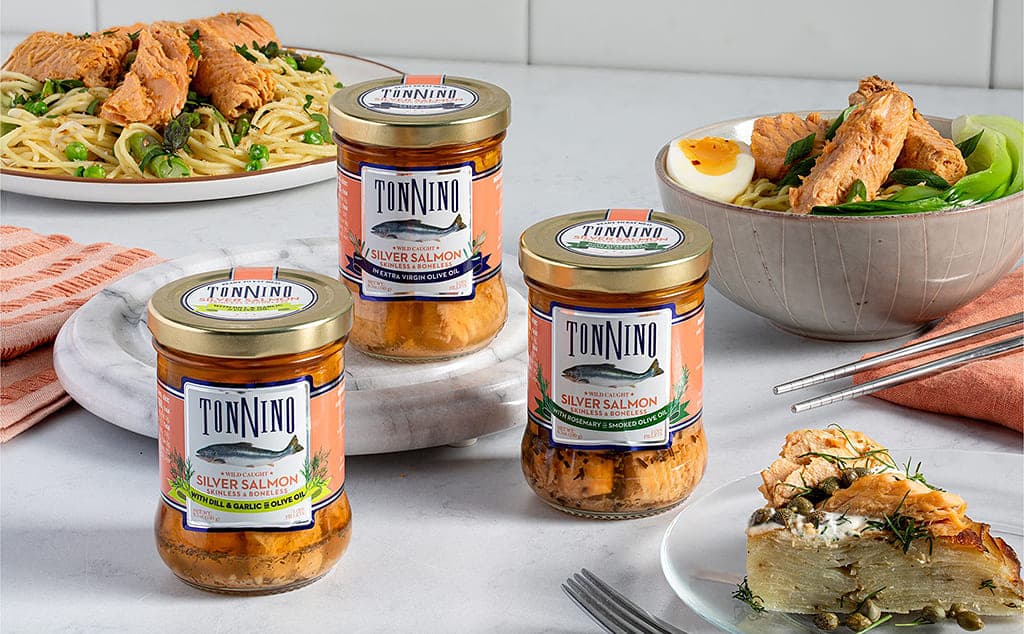
Tonnino’s silver salmon fillets reflect the authentic color of wild-caught salmon after careful cooking and preservation in gourmet oils. The clear jar allows you to see the integrity of the whole fillets inside, a sign of both transparency and confidence in the quality we deliver.
Why Is Salmon Orange, Pink, or Red? A Nutritional and Environmental Insight
People often ask: Why is salmon orange, why is salmon pink, and why is salmon red? The answer depends on the type of salmon, its environment, and its feeding habits.
What Determines The Natural Color Of Salmon?
The primary factor is diet. Salmon that consume more astaxanthin-rich organisms develop deeper red or orange tones, while others appear lighter depending on available food sources.
- Orange salmon often feed heavily on krill and plankton, which are rich in astaxanthin.
- Pink salmon typically consume shrimp and other small crustaceans, leading to lighter pigmentation.
- Red salmon, such as sockeye, eat large quantities of astaxanthin-rich organisms, resulting in deeper tones.
These variations reflect ecosystem differences and help explain the diversity in the color of salmon.
For culinary inspiration that celebrates this variety, visit our collection of salmon recipes.
Does the Color of Salmon Affect Its Taste?
Many people ask, does the color of salmon affect its taste directly or indirectly? The question of how the color of salmon affects its taste is common. While color itself does not create flavor, it often signals dietary richness, which does influence flavor.
The natural coloring that remains visible even after cooking often reflects the nutrient-rich diets of wild salmon, which also contribute to a fuller, more complex taste. By contrast, salmon with paler tones may have a lighter, subtler flavor. Both can be enjoyable, depending on your preference and the style of dish you are preparing.
Its color is one of the clearest indicators of quality, and at Tonnino, our products reflect that standard. Each fillet is chosen and preserved with care so that the taste you enjoy reflects both authenticity and premium sourcing.
Color of Salmon and Its Quality: How to Judge What’s in the Package
When selecting salmon, the color of the salmon is one of the easiest and most reliable markers of quality. While no two fillets will look identical, there are clear patterns to look for:
- A natural tone that is consistent across the fillet
- Even coloration without harsh or unnatural brightness
- Slight variations in shade, which indicate a natural origin
- No stark inconsistencies that may suggest artificial treatments
We present the color of salmon as a clear reflection of quality:
- Whole fillets are visible through transparent packaging
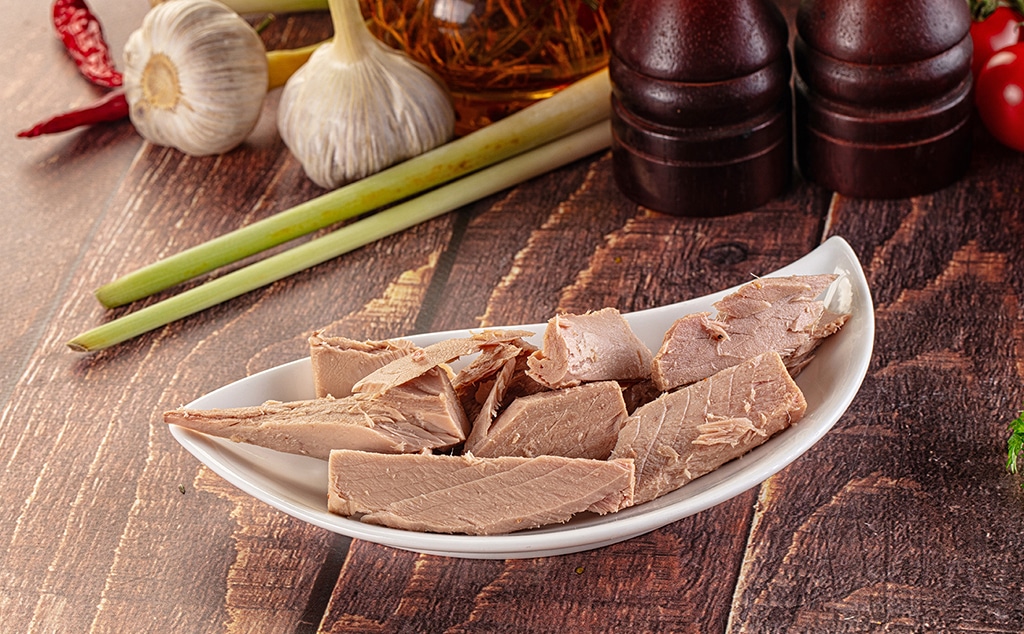
- The natural cooked color can be seen before serving
- Presentation supports confidence in product integrity
- What you see reflects what you can expect in taste
Experience the Natural Color of Salmon
Tonnino Silver Salmon fillets are whole-packed in a clear jar so you can see the color yourself – no dyes or flaking
Shop Silver Salmon – Find in Store
The Real Color Of Farmed Salmon And Why Dyes Are Used.
Yes, farm-raised salmon is often dyed. The real color of farmed salmon is naturally gray or pale because farm-raised fish do not have access to the same diets as wild salmon… To meet consumer expectations, many producers add artificial pigments to make the fish appear pink or orange. This practice is why people often hear that farm-raised salmon is dyed to look more like wild salmon.
While color additives may make the fish look appealing, they do not replicate the natural authenticity or depth of flavor that comes from a wild diet. This is an important distinction for anyone who values transparency and natural quality in seafood.
Tonnino provides a clear alternative. Our salmon showcases its genuine, natural hues, with whole fillets carefully cooked and preserved in oils that bring out flavor rather than disguise it
Color of Farmed Salmon vs. Wild Salmon
When comparing the wild salmon vs farmed salmon color, the differences are clear and tied to diet, environment, and handling.
| Aspect | Wild Salmon | Farmed Salmon |
|---|---|---|
| Color Source | Natural diet (krill, shrimp, marine organisms) | Controlled diet with added pigments |
| Color Range | Pink to deep red with natural variation | More uniform pink or orange tones |
| Consistency | Slight variation between fillets | Highly consistent appearance |
| Diet Influence | Direct reflection of what the fish consumed | Adjusted through feed formulation |
| Visual Authenticity | Color reflects the natural environment and lifestyle | Color influenced by farming conditions |
| Overall Indicator | Shows natural origin and diversity | Shows controlled production process |
This difference in the color of salmon goes beyond appearance. It reflects the life and authenticity of the fish. Consumers who value natural products often choose wild salmon because its color is shaped by its environment and diet.
At Tonnino, you experience this authenticity through whole fillets that retain their natural tones and reflect their origin with clarity.
See the difference for yourself – Tonnino Silver Salmon is whole-packed in a clear jar so you can verify natural color before you buy.
Different Colors of Salmon by Species and Region
There are many different colors of salmon, and they vary widely across species and regions. Factors such as diet, environment, and lifestyle influence the color of salmon, resulting in shades that range from pale pink to deep red or rich orange. These variations are fascinating, and they help explain why salmon offers such a wide range of flavors and textures.
What matters most is that the color is authentic and a reflection of how the fish lived, rather than the result of artificial enhancement. This is why understanding the differences in the color of wild salmon vs. farmed salmon is so important. Wild salmon naturally display unique shades that reflect their diet and habitat, while farmed salmon often lack this diversity without additives.
At Tonnino, our silver salmon fillets showcase the authentic hues of wild salmon, preserved in oils to highlight both taste and quality.
For gourmet meal ideas that celebrate the natural beauty of salmon, browse our curated salmon recipes.
Start Enjoying Premium, Naturally Colored Salmon from Tonnino Today
The color of salmon shows far more than appearance, serving as a visual signal of origin and handling. It tells the story of the fish’s life, its environment, and its authenticity. For Tonnino, it is also a symbol of quality. Our wild-caught salmon fillets retain their genuine cooked shades, carefully preserved in oils with herbs that complement flavor without masking the natural qualities of the fish
When you choose Tonnino, you are choosing salmon that is true to itself. There are no artificial dyes or unnecessary treatments. Instead, you receive whole fillets that reflect their natural origins and are hand-packed with precision.
Find a location near you to view Tonnino’s premium salmon collection. Bring the authentic beauty of naturally colored salmon into your kitchen and experience gourmet quality with every bite.
Frequently Asked Questions
What Is The Natural Color Of Salmon?
The natural color of salmon ranges from light pink to deep red and comes from carotenoids in its diet. These pigments are absorbed from marine organisms such as krill and shrimp. The exact shade depends on the species, habitat, and available food sources, which is why natural variation is expected across different fillets.
Does Cooking Change The Color Of Salmon?
Cooking can slightly soften the color of salmon, making it appear lighter or more opaque. However, the underlying tone remains an indicator of its origin and diet. The color shift is a natural result of heat affecting the proteins in the fish, not a loss of quality.
Is Brighter Salmon Always Higher Quality?
Brighter salmon is not always an indicator of higher quality. While deeper tones can reflect a diet rich in carotenoids, quality is better assessed by consistency, natural variation, and overall appearance rather than intensity alone.
Up Next