In the world of premium seafood, few choices are as beloved as tuna and salmon. Both are celebrated for their distinct flavors, versatile culinary uses, and strong presence in gourmet kitchens. But when it comes to deciding between them, how do you choose?
In this guide to tuna vs salmon, you will explore their key differences in flavor, texture, sourcing, and sustainability. Whether you’re crafting elegant appetizers or creating a seafood platter, understanding how each fish performs and presents is essential to making the most of your gourmet experience.
By comparing tuna and salmon, particularly wild-caught options like those from Tonnino, you gain insight into their unique qualities. You also support sustainable sourcing practices that prioritize ocean health and culinary excellence.
Discover our yellowfin tuna and salmon products to find the perfect match for your next dish.
Key Differences Between Tuna and Salmon
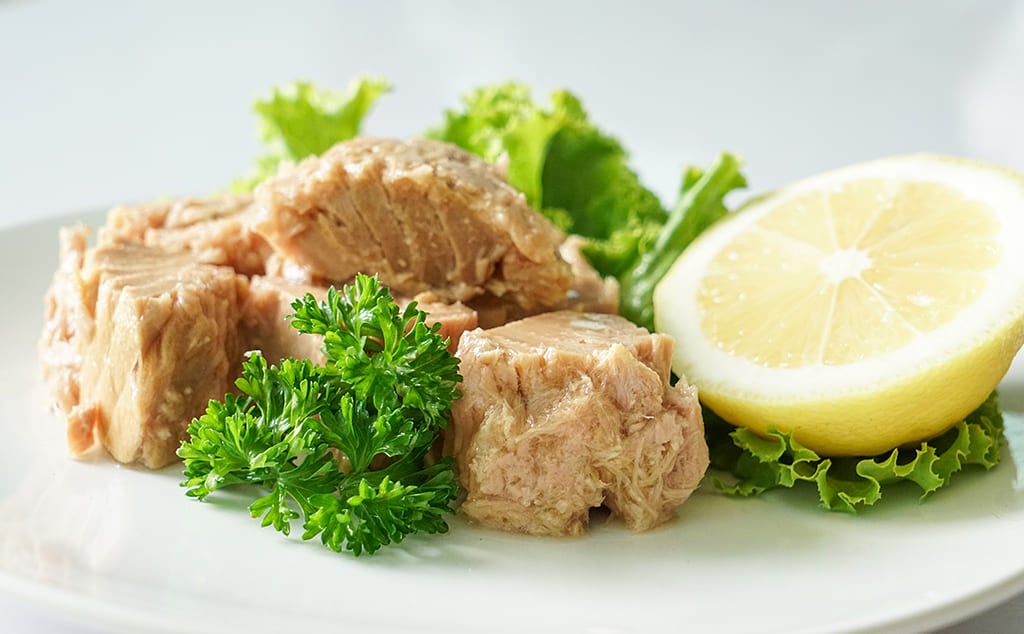
Understanding the differences between tuna and salmon starts with their appearance and texture. Tuna, particularly yellowfin, has a deep pink to red color, a firm structure, and a clean, meaty taste. It is often described as bold and substantial, making it ideal for dishes that require structure, such as seared steaks or layered tartines.
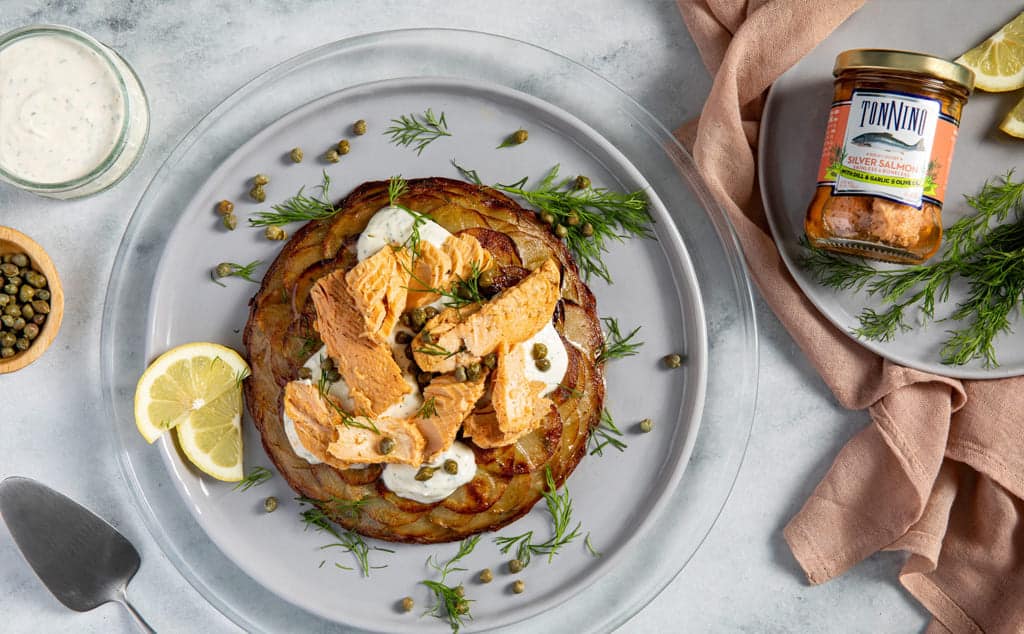
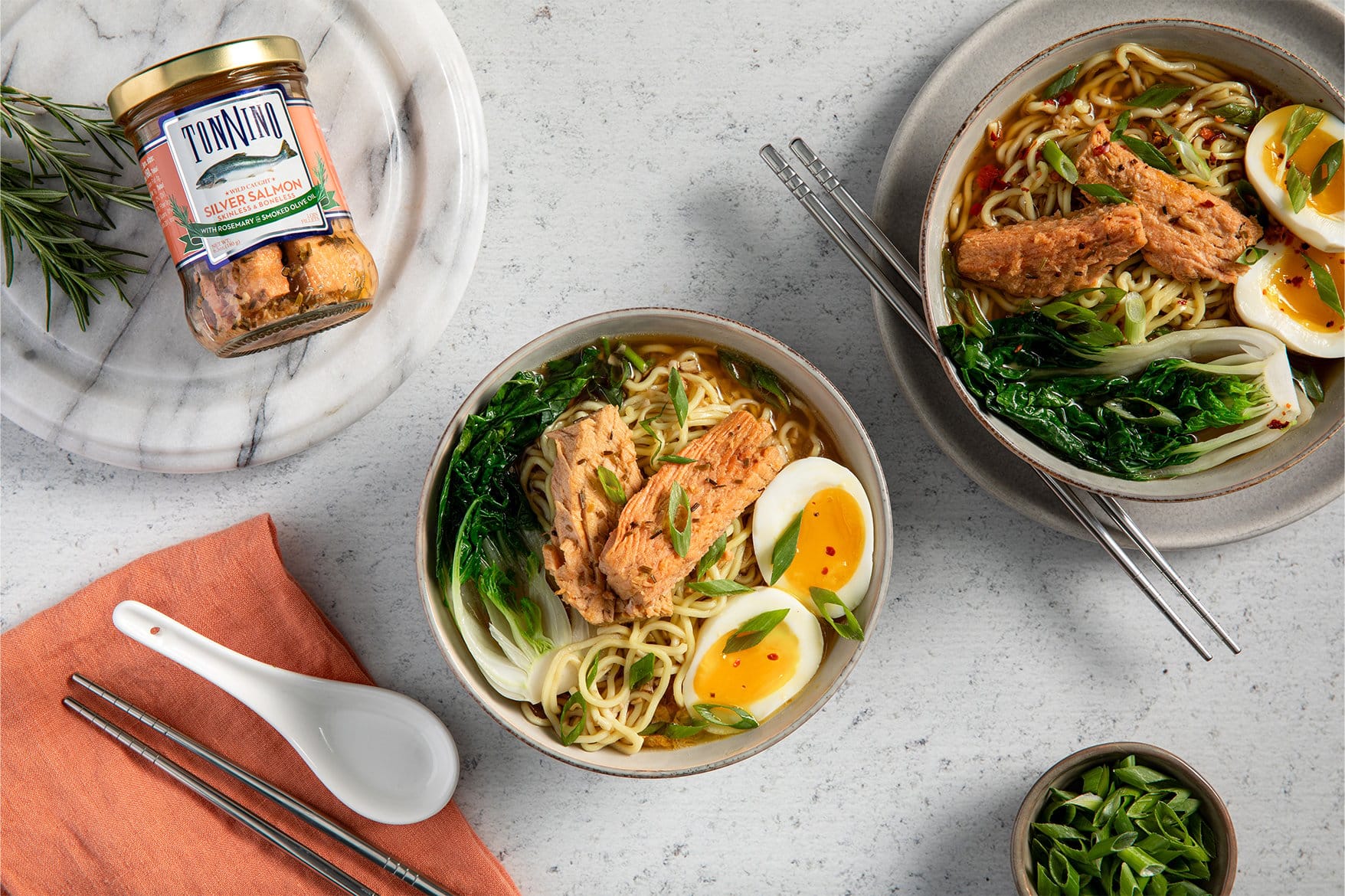
Salmon, by contrast, has a lighter orange or coral hue and a softer, more delicate texture. Its flavor is rich and subtly sweet, making it a favorite for both elegant and comforting meals. From gourmet crostini to composed seafood platters, wild-caught salmon brings balance and refinement to the plate.
When comparing tuna and salmon, their culinary personalities stand out. Tuna leans more savory and robust, while salmon lends a smooth, buttery character. Both offer premium taste experiences, but they are best suited to different preparations depending on the flavors you want to highlight.
At Tonnino, we embrace these differences by offering both in formats that preserve their natural integrity. Our products are sourced responsibly from the wild, never farmed, and prepared with care to deliver full, authentic flavor in every jar or can.
Taste and Texture: Tuna vs Salmon
The taste and texture of tuna and salmon are as distinctive as their origins. Wild-caught tuna, especially yellowfin, has a firm bite and a naturally savory flavor. Its dense structure holds up well in composed dishes, adding a refined protein element to gourmet salads, tapas, or layered canapés.
Salmon offers a more delicate experience. Its flesh is soft and smooth, with a mild richness that pairs effortlessly with light garnishes and fresh herbs. Jarred or canned salmon can be served whole to preserve its elegant presentation or gently separated for use in refined seafood starters.
When evaluating tuna vs salmon taste, context matters. Tuna’s bold profile works beautifully with bolder flavors like olives, citrus, and spices, while salmon is enhanced by subtler pairings such as dill, cucumber, or crème fraîche.
Tonnino’s wild-caught products are designed to highlight these natural characteristics. By preserving the integrity of the whole fillet, our tuna and salmon offer depth and nuance that elevate any dish, from casual appetizers to formal entrées.
Culinary Uses of Tuna and Salmon
Whether you are preparing an intimate dinner or hosting a gathering, both tuna and salmon bring gourmet versatility to the table. Each offers unique culinary applications that allow for creativity, sophistication, and ease of preparation.
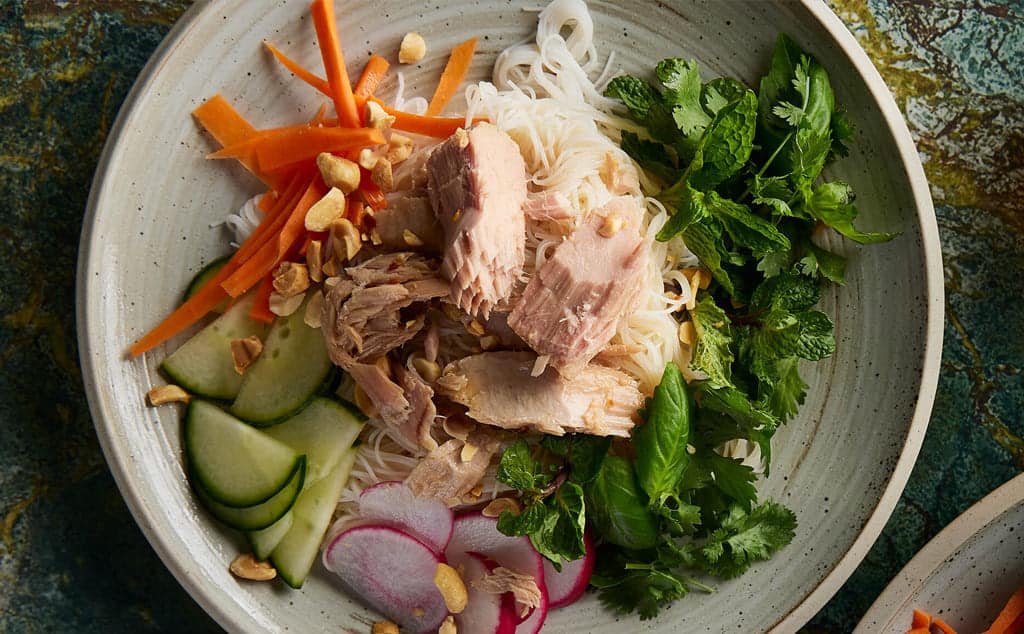
Tuna is often used in recipes that call for structure and boldness. It shines in niçoise salads, artisan sandwiches, or served atop warm grains with Mediterranean ingredients. When served from the jar or can, the fillet can be plated directly or gently placed over your dish to maintain its integrity and visual appeal.
Salmon, on the other hand, is perfect for dishes that highlight texture and delicacy. Its naturally tender quality makes it ideal for chilled seafood platters, gourmet toasts, or simple pairings with fresh vegetables and light sauces.
Both Tonnino tuna and salmon come in convenient jarred and canned formats, offering flexibility without compromising on quality. These ready-to-serve products fit seamlessly into your culinary routine while adding the elegance and depth of wild-caught seafood. Whether used in formal courses or casual meals, you can count on their premium character to enhance every bite.
Tuna and Salmon Sustainability Practices
Sustainability is essential to preserving the future of our oceans. At Tonnino, it is not just a value but a guiding principle in how we source our seafood. Both tuna and salmon, when wild-caught and responsibly harvested, can be part of a sustainable seafood lifestyle.
Many consumers are becoming more aware of the environmental impact of farmed fish. These operations often place pressure on local ecosystems, contributing to water pollution and habitat disruption. Choosing wild-caught alternatives supports healthier oceans and reduces reliance on high-impact aquaculture systems.
Tonnino is committed to tuna and salmon sustainability through careful sourcing practices. Our salmon is wild-caught in Alaska, where fish live their full natural life cycle before being harvested. Our yellowfin tuna is also wild-caught, offering a product that reflects the strength and purity of the open ocean.
We take great care to ensure that every product meets our standards for environmental responsibility and culinary excellence. Learn more about how we maintain our commitment to quality through every step of the process.
Comparing Canned and Jarred Tuna and Salmon
Choosing between canned and jarred formats often comes down to the occasion and the experience you want to create. Both options offer premium quality when sourced and prepared with care, but each has unique benefits depending on how you plan to serve your seafood.
Jarred tuna and salmon offer a beautiful, elevated presentation that allows you to showcase the natural fillet. The glass packaging also allows for visual appreciation before opening, making them ideal for refined serving experiences. Simply plate the fillet whole, pair it with complementary garnishes, and serve.
Canned tuna and salmon offer excellent shelf life and portability, making them a reliable option for quick, convenient meals. Whether you are building a protein-rich lunch or assembling a gourmet snack, canned seafood offers flexibility while preserving the full flavor and texture of the fish.
Tonnino ensures that both formats maintain the premium qualities you expect. From wild-caught sourcing to careful handling and packaging, each jar and can is crafted to offer the very best in taste, quality, and convenience.
Understanding the Unique Qualities of Tuna and Salmon
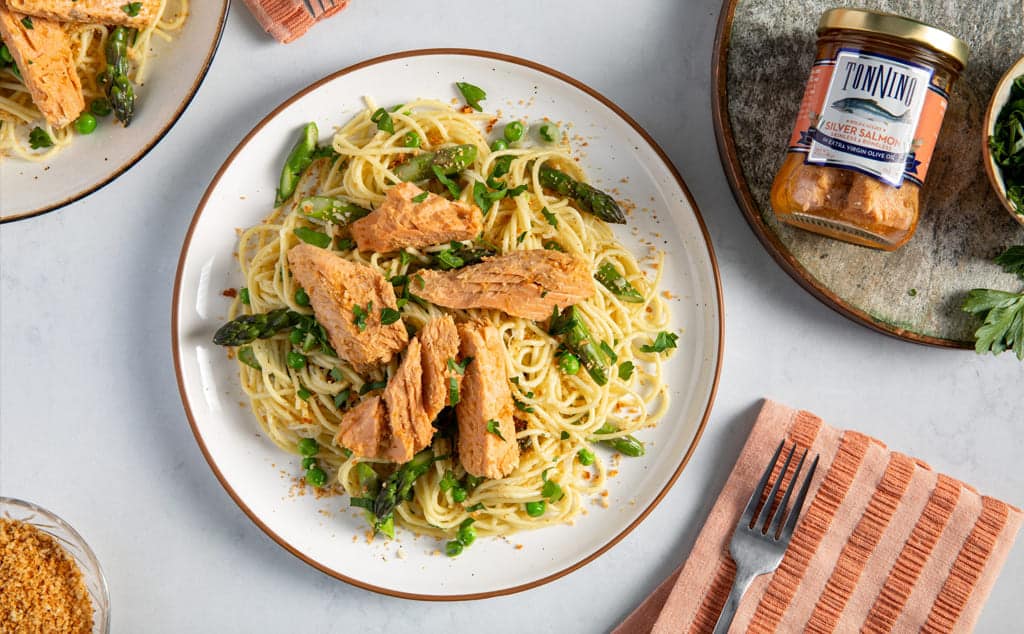
There is no need to choose one over the other when it comes to tuna vs salmon. Both offer distinctive benefits that bring richness and variety to your meals. Whether you prefer the bold structure of yellowfin tuna or the delicate, buttery finish of wild-caught salmon, each fish brings something exceptional to the table.
By comparing tuna and salmon, you gain a deeper appreciation for how each fits into different culinary moments. Tuna offers depth and substance, perfect for building flavor-forward dishes. Salmon adds softness and refinement, ideal for lighter, more nuanced plates.
Tonnino brings these unique qualities together in a line of gourmet products that are responsibly sourced, beautifully packaged, and ready to serve. From the ocean to your plate, every detail reflects a commitment to transparency, taste, and sustainability.
Explore the full collection at Tonnino and discover how wild-caught seafood can elevate your culinary experience.
Frequently Asked Questions
What is the Best Way to Store Tuna and Salmon?
Keep unopened jars and cans in a cool, dry space away from direct light. Once opened, transfer any unused tuna or salmon to an airtight container and refrigerate. For best results, enjoy within a few days of opening to maintain optimal texture and flavor.
Can I Use Tuna in Place of Salmon in Recipes?
In many cases, yes. While tuna and salmon differences in texture and flavor may impact certain recipes, both can be used interchangeably in dishes like salads, sandwiches, or seafood platters. Consider the flavor profile and structure of each fish to ensure the best match for your dish.
Are Tuna and Salmon Good for Sustainable Seafood Diets?
Yes, especially when wild-caught and sourced responsibly. Tonnino’s wild-caught yellowfin tuna and Alaskan salmon support sustainable seafood practices. Choosing these products contributes to healthy oceans and promotes ethical seafood consumption.
Up Next